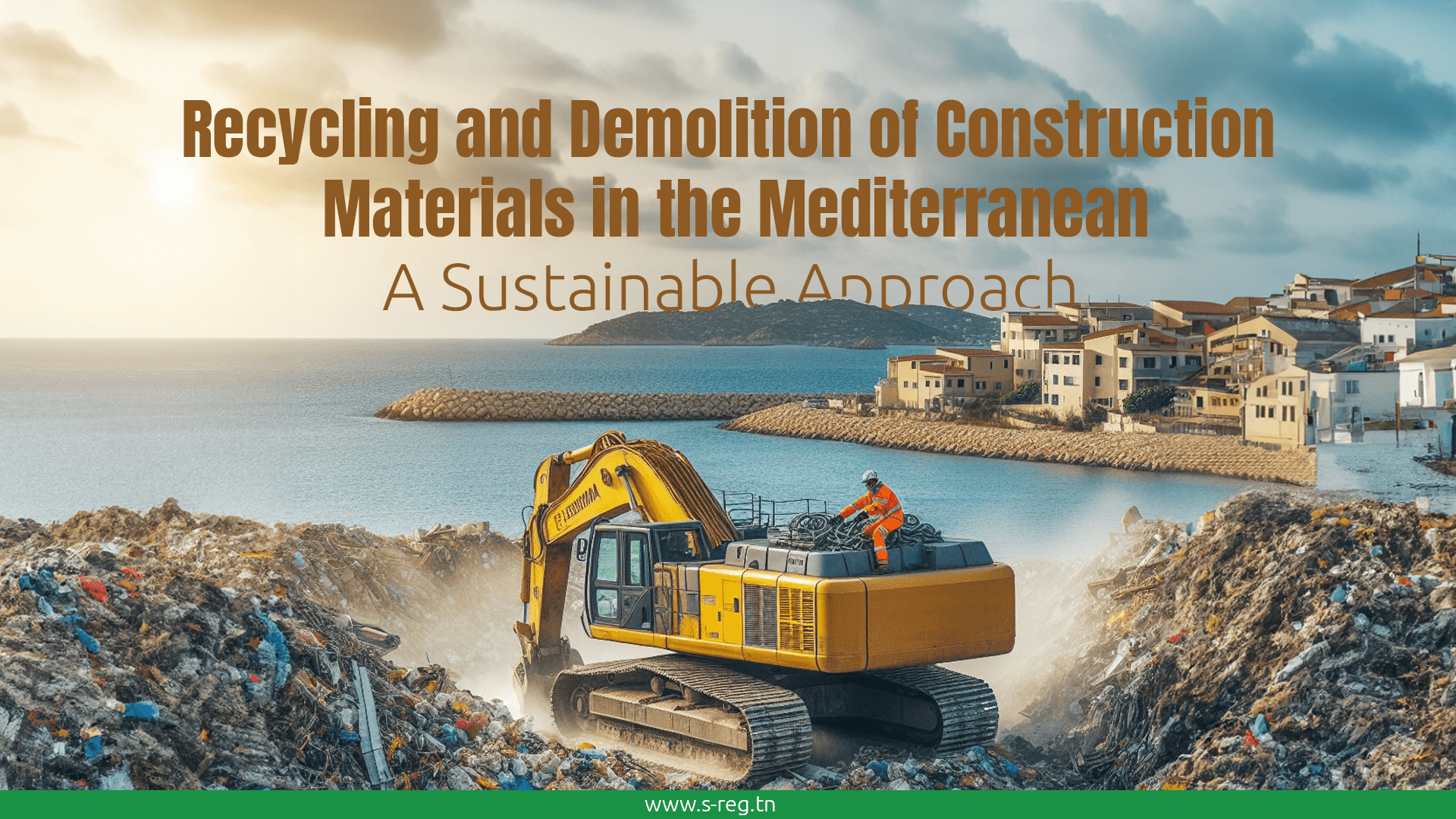
Recycling and Demolition of Construction Materials in the Mediterranean: A Sustainable Approach

REG
20/05/2024
542 words - 3 min read
Recycling and Demolition of Construction Materials in the Mediterranean delves into the environmental and economic impacts of sustainable construction practices, highlighting case studies from Spain and Italy.
Introduction: The Mediterranean region, known for its rich history and diverse cultures, is experiencing rapid urbanization and development. With this growth comes an increase in construction activities and, consequently, construction waste. This article explores the importance of recycling and demolition of construction materials in the Mediterranean, highlighting its environmental and economic benefits.
Environmental Benefits: Recycling construction materials in the Mediterranean has a profound impact on environmental sustainability. By reusing materials such as concrete, steel, and wood, the demand for new raw materials is significantly reduced, conserving natural resources. This practice also helps in decreasing the volume of waste sent to landfills, reducing land pollution and mitigating greenhouse gas emissions. For instance, studies have shown that recycling one ton of concrete can save 1,300 gallons of water and 900 kilograms of CO2 emissions.
Economic Benefits: The economic advantages of recycling and demolition are equally compelling. Recycling reduces the cost of raw material procurement and waste disposal, leading to substantial savings for construction companies. Moreover, the recycling industry creates job opportunities, stimulating local economies. In the Mediterranean, where many countries face economic challenges, the recycling sector can provide a much-needed boost by creating sustainable employment opportunities.
Challenges and Solutions: Despite the benefits, recycling and demolition in the Mediterranean face several challenges. These include the lack of infrastructure, regulatory frameworks, and awareness among stakeholders. However, solutions are emerging:
- Policy Implementation: Governments in the Mediterranean region are beginning to implement policies that promote recycling and sustainable construction practices. For example, the European Union's Waste Framework Directive mandates member states to achieve 70% recycling of construction and demolition waste by 2020.
- Technological Advancements: Innovations in recycling technologies are making it easier and more cost-effective to recycle construction materials. Mobile recycling units and advanced sorting technologies are being deployed to handle construction waste on-site, reducing transportation costs and emissions.
- Public Awareness Campaigns: Increasing awareness about the benefits of recycling and sustainable construction practices is crucial. Educational programs and campaigns can encourage builders, developers, and the general public to adopt greener practices.
Case Studies: Several Mediterranean countries are leading the way in recycling and demolition efforts. In Spain, the city of Barcelona has implemented strict regulations on construction waste management, resulting in a significant increase in recycling rates. Similarly, in Italy, the city of Milan has developed an extensive network of recycling facilities that process construction waste into reusable materials, supporting the local construction industry.
Recommendations: To further enhance recycling and demolition practices in the Mediterranean, the following recommendations are proposed:
- Strengthen Regulations: Governments should enforce stricter regulations on construction waste management to ensure compliance and promote recycling.
- Invest in Infrastructure: Building state-of-the-art recycling facilities and supporting technological advancements can improve recycling efficiency and capacity.
- Promote Collaboration: Encouraging collaboration between governments, private sector companies, and non-governmental organizations can foster innovative solutions and share best practices.
- Educate Stakeholders: Providing training and resources to construction professionals on sustainable practices can drive the adoption of recycling and demolition techniques.
Conclusion: Recycling and demolition of construction materials in the Mediterranean are essential for achieving sustainable development. By embracing these practices, the region can conserve natural resources, reduce environmental pollution, and boost economic growth. As the Mediterranean continues to urbanize, prioritizing sustainable construction practices will be key to ensuring a resilient and prosperous future.